
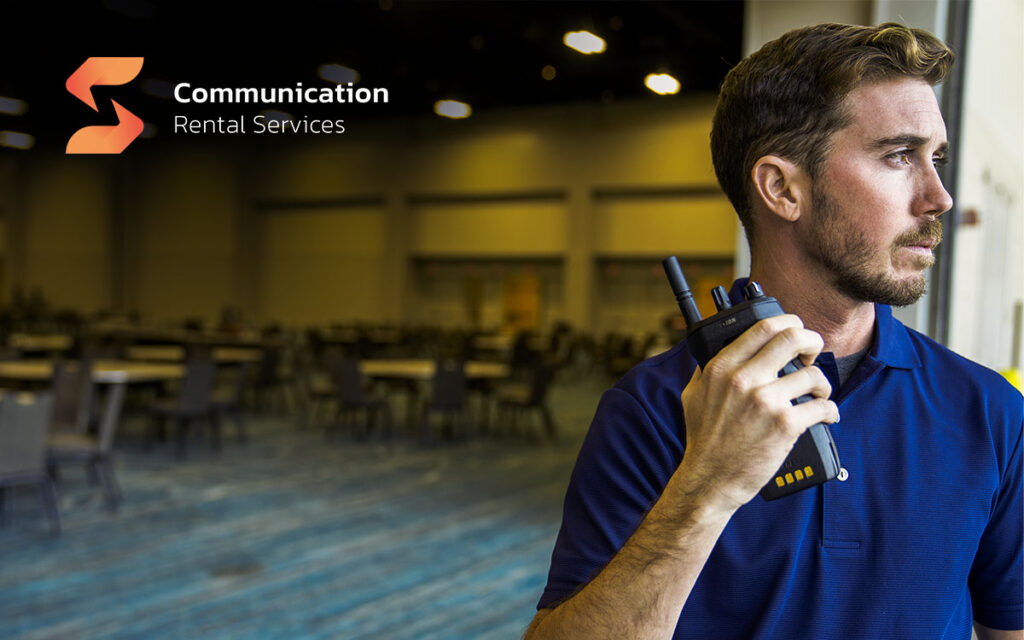
Reliable communication contributes to an event’s success. From coordinating staff at a festival to responding quickly to security concerns, connecting with teams ensures productivity and safety. Radio rentals give you immediate access to dependable, easy-to-use, professional-grade solutions to streamline operations.
This guide to renting walkie-talkies discusses the benefits of radio hire and events that require these services. You’ll also discover tips for choosing the right option for your needs.
Radio Rental Basics
As an event lead, your role is to keep operations smooth and your teams connected. From keeping staff aligned to ensuring participant safety, you’re expected to anticipate issues and respond to them efficiently. Two-way radios make this possible by giving you a reliable way to coordinate responses to operational needs, security issues and medical situations.
Benefits of Renting Two-Way Radios for Events
Renting two-way radios gives event teams access to dependable devices. Advantages include:
- Instant communication: Radios allow multiple team members to hear and respond to messages simultaneously, speeding up decision-making.
- Cost efficiency: Renting allows you to minimize capital expenses for radios that are needed occasionally, making it budget-friendly for temporary occasions.
- Reliable coverage: Two-way radios operate independently of cellular networks, maintaining consistent connectivity in high-traffic or remote locations.
- Clear audio: Digital radios provide advanced noise cancellation and interference-resistant communication, allowing teams to hear instructions clearly.
- Adaptability to scale: You can adjust the number of radios to match your event’s staffing requirements, so every team member has the required equipment.
- Flexibility: Renting allows you to combine various radio modes based on venue layout, coverage needs and departmental requirements.
- Support: Rental companies test and deliver the radios, so they arrive ready for immediate use. Additionally, some providers handle maintenance and repairs, so you can allocate resources to other event needs.
- Safety and security: Two-way radios enable teams to communicate safety protocols and report incidents for prompt security concern response.
Main Types of Radios
There are three types of two-way radios that provide on-site communications and advanced, wide-area coverage:
- Analog radios: These are simple, budget-friendly and reliable walkie-talkies that allow for straightforward communication. They excel in settings where basic group communication is sufficient.
- Digital radios: Digital radios feature digital clarity, extended battery life, integrated GPS tracking and scalable channel management. They are ideal for environments requiring exceptional clarity and structured channels.
- Hybrid radios: Some models, like the Motorola CP200d, operate in analog and digital modes.
- TLK LTE radios: These radios combine the flexibility of push-to-talk communication via LTE with the reliability of a rugged, purpose-built radio.
Events That Need Radio Rentals
Event radio rentals cater to various occasions and address specific challenges.
Festivals and Concerts
Large-scale music festivals or concerts span extensive areas and generate ambient noise. Coordinating across stages, concessions, security and medical teams requires radios that deliver clear communication.
Digital radios with noise-canceling microphones or headsets ensure instructions are heard over a crowd’s roar. Channel planning allows for separate talk groups for security, stage management and operations to prevent overlap or confusion.
Corporate Conferences and Trade Shows
Corporate events often occur across multiple rooms or interconnected venues, requiring coordination among vendors and staff. Two-way radios allow you to manage session changes, room transitions and technical adjustments.
In quieter settings, discreet earpieces or speaker mics allow communication to remain professional and unobtrusive.
Sports Tournaments and Stadiums
In stadiums and sports arenas, staff coordination extends across:
- Ticketing
- Security
- Concessions
- Medical teams
High-volume, real-time communication maintains safety, aids in crowd flow management and allows for prompt incident response. Radios must provide reliable coverage throughout large venues, and the ability to create supervisory channels allows you to monitor multiple teams simultaneously.
Film and TV Production
Production sets are often spread across indoor and outdoor locations, with multiple departments operating simultaneously. Event radio rentals tailored for production settings provide encrypted channels, compatibility with headsets and the clarity needed for technical cues. They allow production managers to coordinate camera crews, lighting, sound and props under tight schedules and high-pressure conditions.
Construction Sites and Temporary Installations
Temporary sites, including construction zones or pop-up event setups, require durable, weather-resistant radios that can span wide areas.
Teams communicate about deliveries, safety checks and project updates, so robust ingress protection (IP)-rated devices ensure your operations continue under harsh environmental conditions.
How to Choose the Right Radios for Rentals
The optimal two-way radio depends on the unique setting, scale and operational requirements of your event.

1. Consider Venue and Range
The physical characteristics of a venue impact radio performance. Reinforced concrete, steel structures and metal roofing can reduce signal strength, creating dead zones where communication may fail. Similarly, terrain features such as hills, dense foliage and large open fields affect signal propagation.
Assess the venue and predict potential interference points to select radios capable of consistent, reliable communication.
2. Factor in Team Size and Talk Groups
The number of users and their functional roles determine the type and configuration of radios. Larger teams with multiple departments benefit from structured talk groups or dedicated channels. Talk groups prevent cross-talk and ensure important messages reach the intended recipients.
Supervisors or command personnel may need access to multiple channels to oversee coordination.
3. Assess Noise Levels
The ambient sound environment dictates whether standard speaker microphones suffice or headsets or in-ear devices are necessary.
High-noise situations may require noise-canceling headsets or specialized microphones to ensure messages are transmitted clearly. In quieter environments, discreet earpieces can maintain professionalism and enable real-time communication.
4. Account for Environmental Performance vs. Protection
IP ratings provide a benchmark for resistance to dust, moisture and weather conditions. For outdoor or temporary events, devices with higher IP ratings, such as IP65 or higher, ensure that unexpected rain, dust or spills do not compromise functionality. Shock-resistant designs protect radios from drops or rough handling, while long-lasting, swappable batteries maintain operational continuity.
Factors That Impact Radio Rental Pricing
Radio rental costs depend on the complexity and scale required for your events.
1. Duration of Rental
Rental duration is a major cost driver:
- Daily rentals are ideal for short events like concerts, single-day conferences or pop-up activities.
- Weekly rentals are suitable for multiday festivals, trade shows or extended sports tournaments.
- Long-term rentals are necessary for construction sites, university departments or recurring projects.
2. Quantity and Model of Radios
More staff and teams mean more equipment, additional accessories and potentially more channels to manage. Model choice also impacts costs. For example, basic analog radios are budget-friendly, while digital options may provide advanced features at a higher price point.
3. Required Accessories and Support
Accessories contribute to the rental pricing. Essential add-ons such as headsets, earpieces and speaker mics facilitate hands-free communication.
For large-scale events, service providers can provide on-site technical support, which ensures immediate troubleshooting and optimal system performance.
Evaluating support needs alongside device and accessory selection can help balance costs.
Licensing and Safety
Rental radios are reliable tools, but operational practices are governed by licensing rules and industry standards that maintain safe and private communication channels:
- FCC licensing: Professional rental companies can help customers secure Federal Communications Commission (FCC) radio licensing. This approach ensures that your event operates legally, reducing the need for staff to handle permitting complexities.
- Encryption for sensitive communication: Encryption allows for secure information transmission. Encoded channels prevent unauthorized listening and make sure that messages remain confidential. Digital radio models, like the MOTOTRBO, offer various levels of encryption, such as basic and enhanced privacy, with the option for advanced encryption.
Radio Hire for Events Checklist
Renting two-way radios requires careful preparation to ensure your team has the right equipment and setup for the event. Verify the following:
- Event needs: Evaluate the size of your venue, the number of staff and the complexity of your operations. Consider the number of talk groups, range of coverage and standard features you need for your teams.
- Radio types: Decide whether analog, digital or hybrid radios suit your event. Factor in durability, noise cancellation and encryption.
- Quantity and accessories: Identify the number of radios you require and what accessories should be included.
- Rental company services: Confirm that the provider handles FCC licensing, delivery and support. Check whether they offer custom plans.
- Staff orientation: Check if the rental provider offers guides and training sessions so your staff understands talk groups, channel assignments and basic audio etiquette.
Rent Two-Way Radios For Any Event With Communication Rental Services
Communication Rental Services understands that effective communication is essential to an event’s success. We provide custom radio rental systems scalable to your needs. Whether you’re coordinating a stadium event or a multiday festival, our nationwide shipping ensures radios arrive ready for use. We work with trusted manufacturers, including Motorola Solutions, so you have access to reliable devices.
Our personalized contracts, training and 24/7 emergency line make it easy for your staff to experience dependable communication from day one. For longer-term projects or recurring events, we offer extended rental options.
Request a quote to discuss your communication needs.
